
DAIDALONIC UPV: Innovating Assistive Tech Solutions
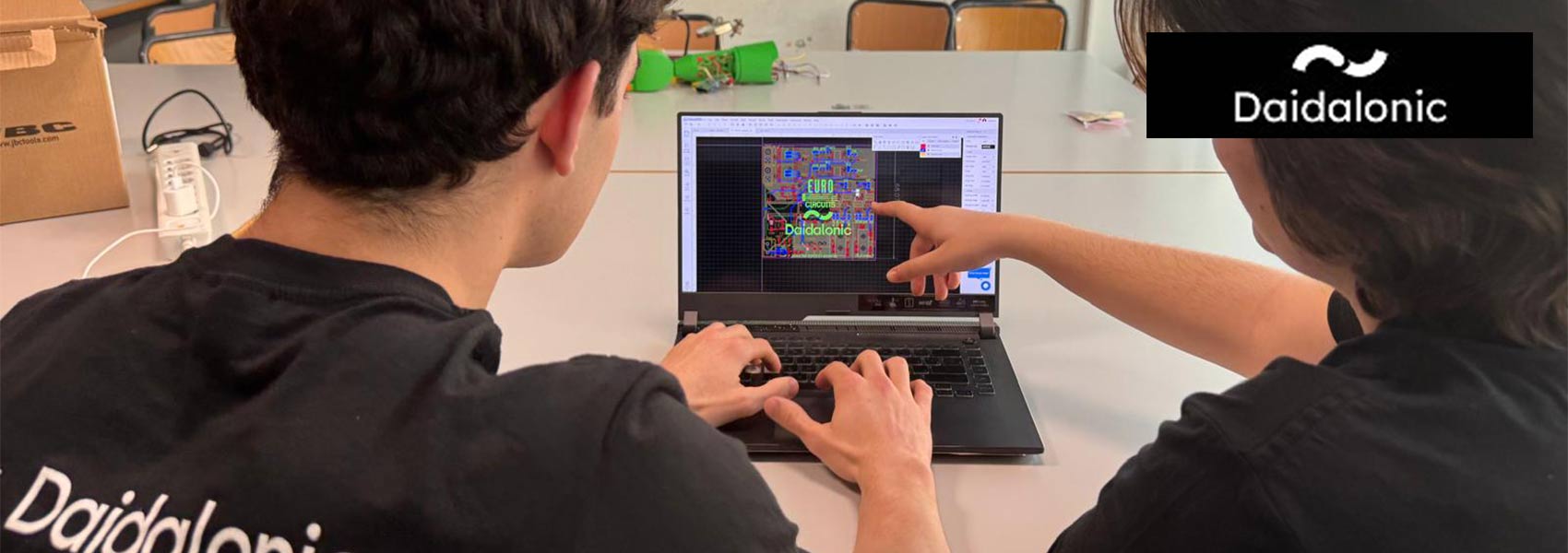
Engineering life: the Intersection of Human Biology and Precision Hardware
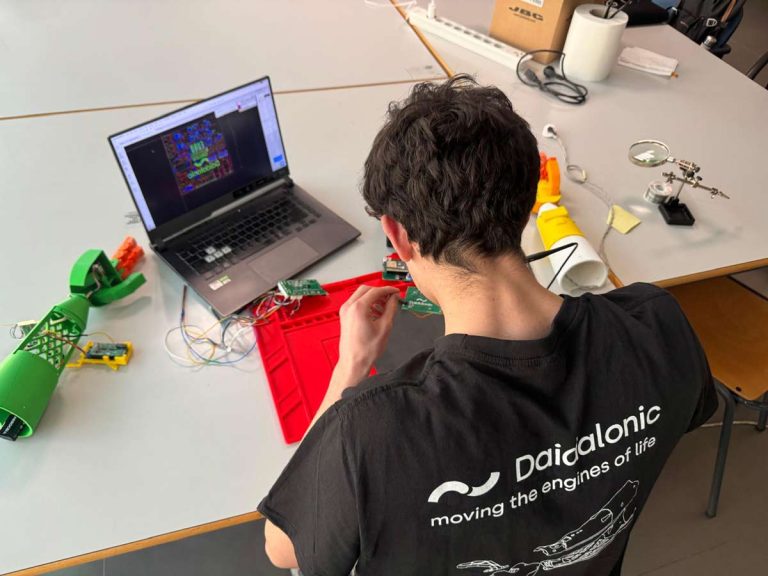
At the center of their current ambition lies the ‘Upper 3’, a bionic arm prosthesis designed to be as sustainable as it is functional. While the external structure relies on the versatility of 3D-printed materials like PLA and TPU, the true magic happens beneath the surface. For the Daidalonic hardware team, the challenge is not just mechanical; it is a delicate dance with the electrical impulses of the human body. Electromyographic (EMG) signals, the very whispers of muscle contraction, are the primary data source for the prosthesis. However, these signals are notoriously weak and buried under layers of biological and environmental noise, presenting a formidable obstacle for any engineer.
The precision of signal acquisition
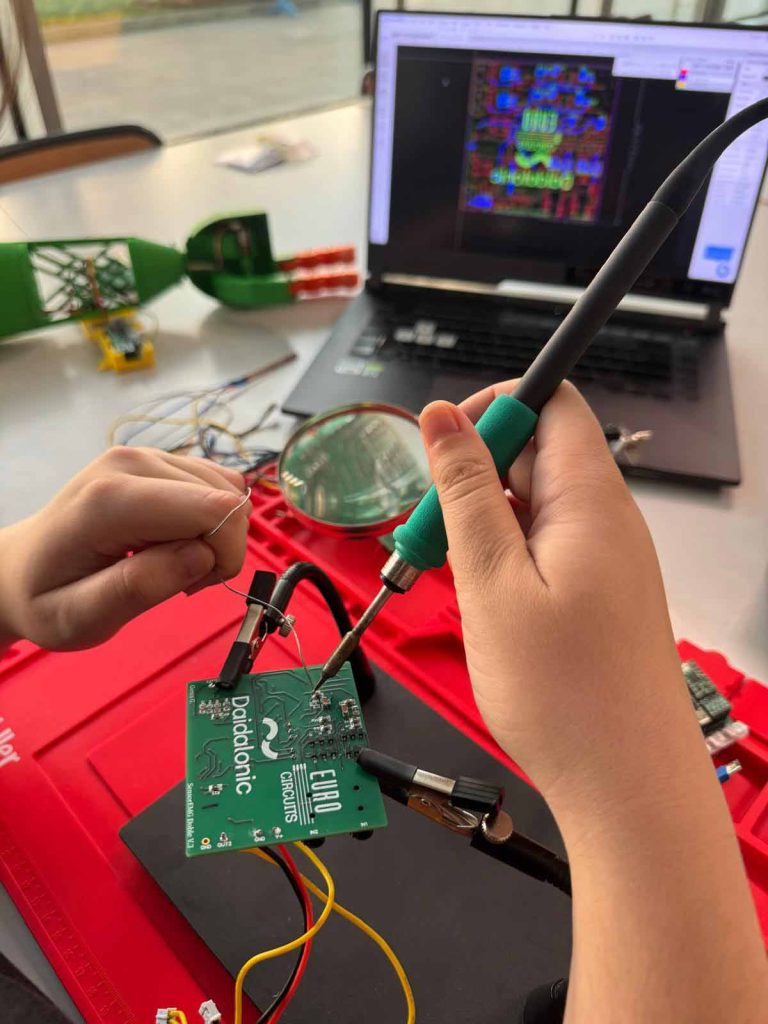
To transform a muscle twitch into a precise finger movement, the hardware team has developed a sophisticated Data-Acquisition (DAQ) chain. This system is designed to isolate the useful frequency spectrum of EMG data, typically found between 30Hz and 300Hz. Through a rigorous process of high-pass and low-pass filtering, the team strips away the interference that once plagued previous iterations. Once cleaned, the signal, which originates at a mere ±5mV, is amplified to a robust 3V range, making it readable for the onboard processing unit. This evolution in signal clarity is the cornerstone of the team’s upcoming performance in the major international competition this May.
“Eurocircuits provides more than just boards; they offer the technical reliability and speed necessary for our pilots to trust their prosthetics when it matters most.”
From off-the-shelf to bespoke Innovation
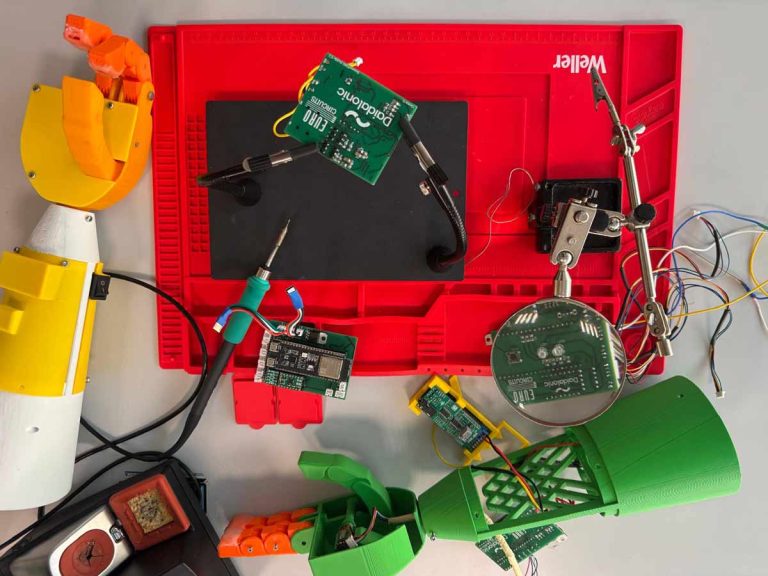
Innovation at Daidalonic does not stop at signal processing. The team is currently transitioning from standard development kits to their own proprietary hardware solution, known as the ‘DaidaKit’. By customizing the ESP32 chip architecture, the engineers are stripping away redundant functions to focus purely on the high-torque performance required for prosthetic grip and wrist rotation. This bespoke approach allows for a more compact design and paves the way for future integrations, such as intuitive joysticks and OLED displays that will allow users to monitor battery health and calibrate their device in real-time.
The catalyst of rapid prototyping
The journey from a digital schematic to a physical board is often where student projects stall, but for Daidalonic, Eurocircuits has become a vital catalyst. Operating under the high-pressure environment of academic deadlines and competition milestones, the team relies on Eurocircuits’ professional-grade manufacturing to validate their designs. The ability to receive high-quality PCBs in a matter of days allows for an iterative “test and refine” cycle that is essential for biomedical safety. In the lab, as members move between soldering stations and testing benches, the presence of these professional boards serves as the physical backbone of their progress, turning ambitious theories into tangible life-changing realities.

For more information please visit the DAIDALONIC UPV website.
Bring your product to market on time and within budget – join the Eurocircuits Community


